
Inlet Air Cooling for Gas Turbines and Gas Engines
In brief. In hot weather a gas turbine generates less electricity and burns more gas. An absorption chiller running on the turbine's exhaust gas delivers water at +5…+10 °C and cools the inlet air to +15…+20 °C, so the cooling comes from the plant's own waste heat.
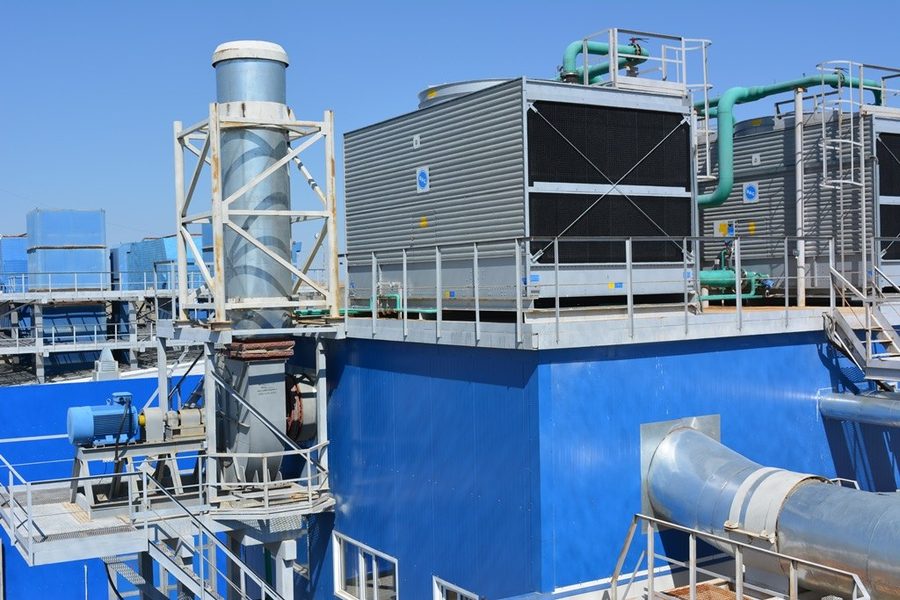
The hotter the air at the intake of a gas turbine unit, the less electrical power it delivers and the more gas it burns. There are several ways to cool the inlet air. The most promising is a lithium bromide absorption chiller that runs on the heat of the exhaust gas from the same turbine.
Why cool the air at the gas turbine inlet?
As the outdoor air temperature rises:
- the electrical output of the gas turbine drops;
- gas consumption grows.
If the air in front of the turbine compressor is cooled, the plant runs closer to its rated output in hot weather.
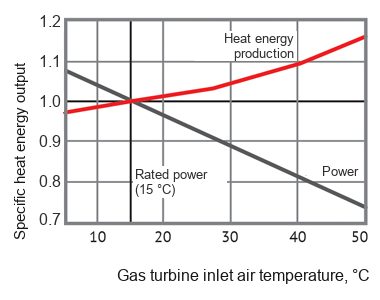
An example of gas turbine output versus outdoor air temperature
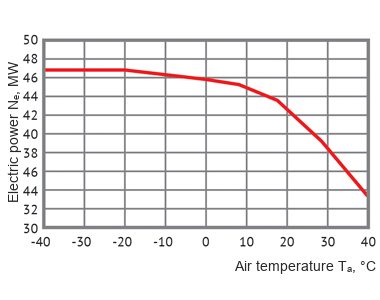
Change in the electrical and thermal output of a gas turbine depending on the inlet air temperature
Which cooling scheme is used?
- A heat exchanger is installed at the gas turbine inlet.
- Water from the absorption chiller at +5…+10 °C is pumped through it.
- The supply air is cooled to +15…+20 °C and enters the turbine.
- The absorption chiller runs on the plant's own heat: directly on the exhaust gas of the gas turbine or gas engine (gas engine generator set), or on hot water and steam from heat recovery boilers.
| Parameter | Value |
|---|---|
| Water temperature from the absorption chiller | +5…+10 °C |
| Air temperature after cooling | +15…+20 °C |
| Heat source for the absorption chiller | gas turbine / gas engine exhaust gas, hot water or steam from heat recovery boilers |
The cooling comes mainly from waste heat, so almost none of the electricity the plant generates is spent on cooling.
In the design scheme from our 2026 absorption chiller catalog, outdoor air at +35 °C is cooled to +15 °C, the machine supplies water at 7/12 °C, and the cooling tower keeps its cooling water circuit at 27/32 °C. The same catalog shows a gas engine plant with 17 Wärtsilä engines of 15 MW each: two hot water absorption chillers of 2,025 kW each, driven by jacket water, cool the engine intake air from 43 to 27 °C. The same approach suits any site with gas turbine engines, power plants among them.
What equipment do we supply?
- Thermax absorption chillers, which run on heat rather than electricity. The energy source can be hot water, exhaust gas, steam, natural gas and other fuels.
- Cooling towers for the absorption chillers, including NCT ones.
More about the technology on the Thermax absorption chiller website (in Russian).
Which projects have we completed?
Gas turbine power plant in Kazakhstan
At the ZhGTES gas turbine power plant, with a total unit capacity of 110 MW, we implemented a project to cool the air drawn in by the gas turbines. The design and supply contract was signed in 2015. The plant in the Aktobe Region runs on associated petroleum gas from the oil field, so the machine makes cooling from the exhaust of turbines that burn this gas anyway.
| Parameter | Value |
|---|---|
| Absorption chiller | Thermax 2D 5M C on gas turbine exhaust gas |
| Cooling capacity | 3,150 kW |
| Chilled water inlet/outlet | 15/8 °C |
| Cooling towers | 2 open |
| Gas turbine inlet air heat exchangers | Thermofin |
| Our scope | design, supply, installation supervision, commissioning |
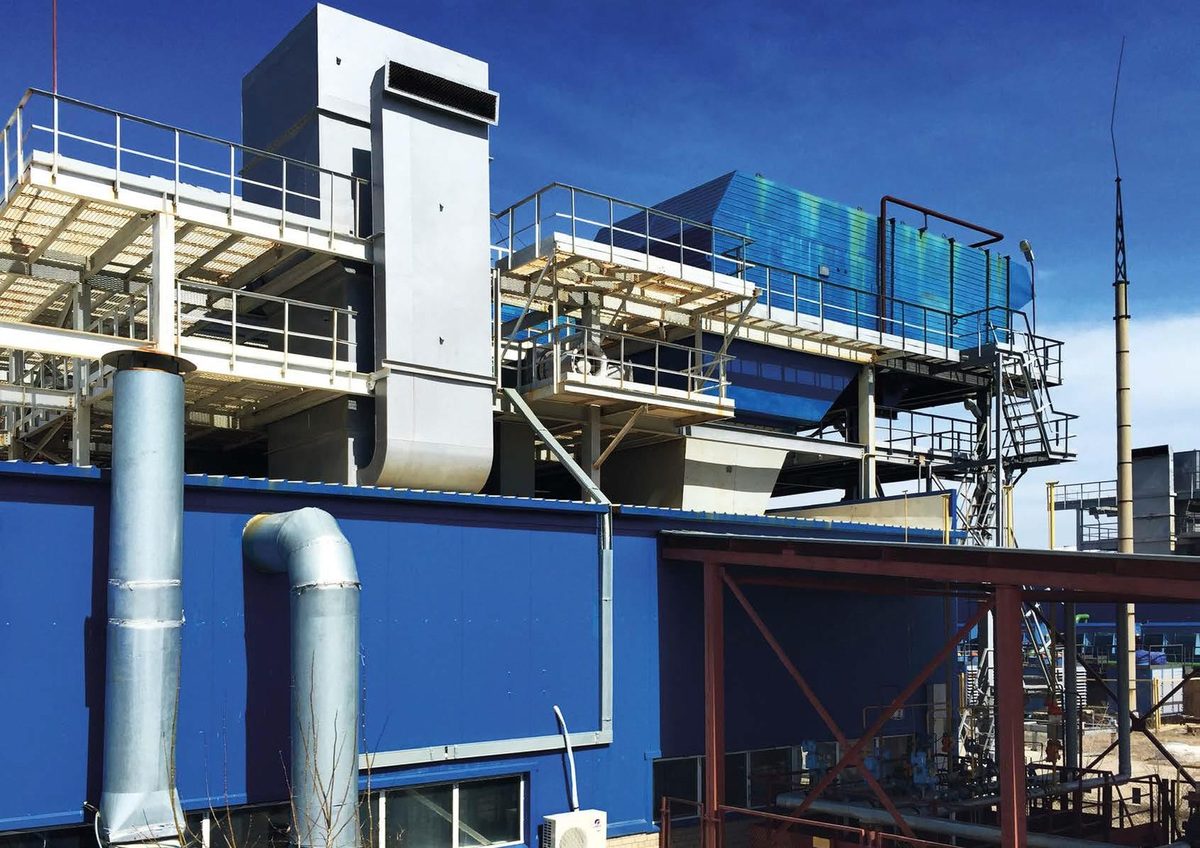
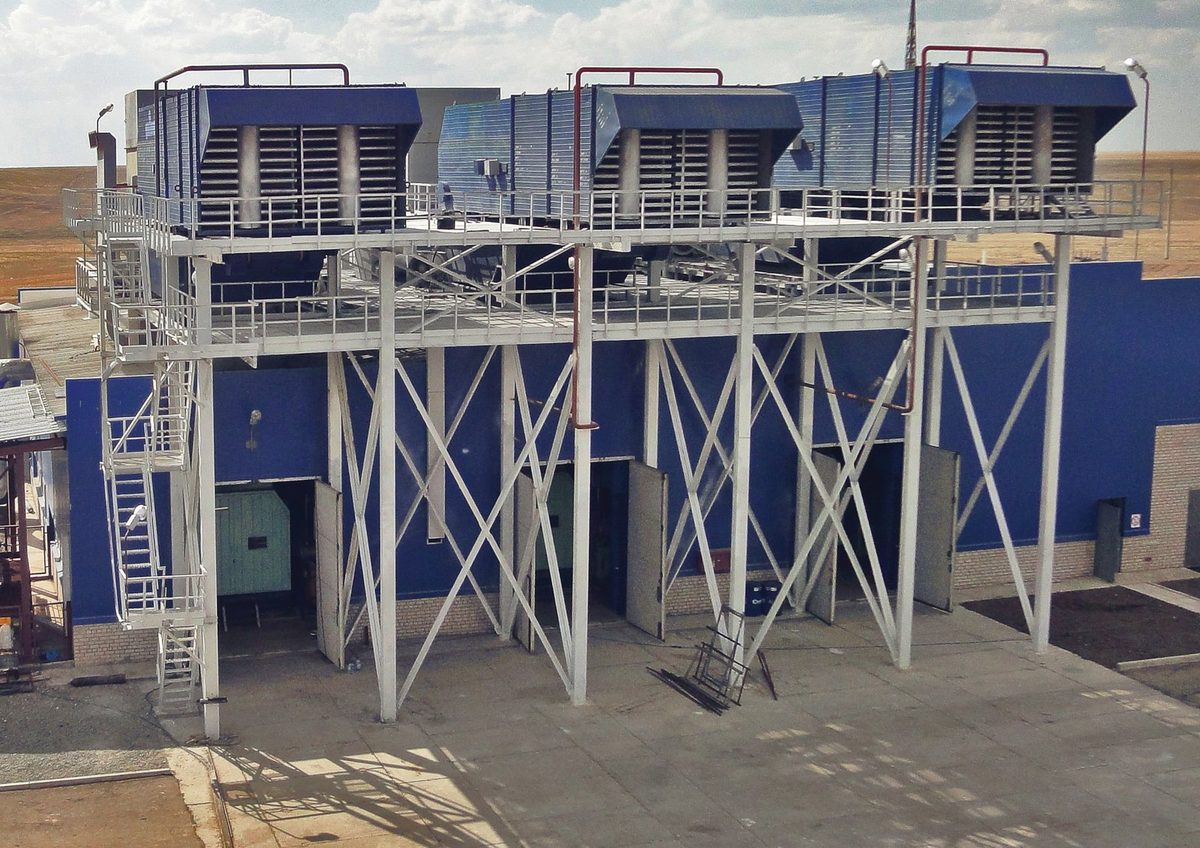
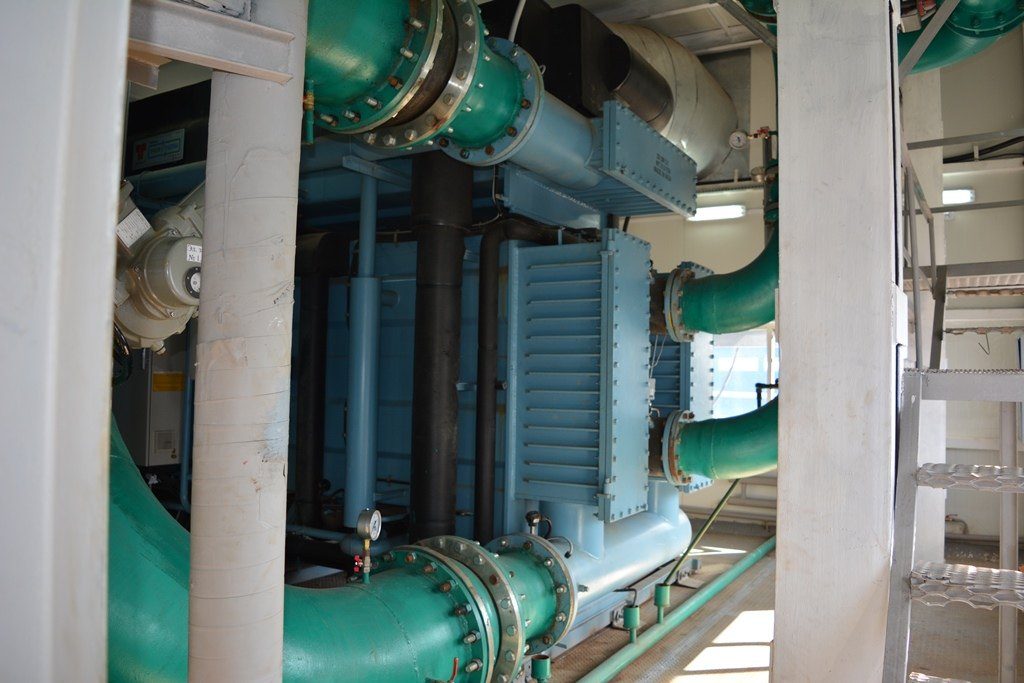
More in the project card "Gas turbine power plant" (in Russian) and in the video about the absorption chiller at the gas turbine power plant (in Russian).
Where else absorption chillers run on gas engine heat
- Belorusneft power generation facilities (in Russian): cogeneration units on gas engine sets and two Thermax absorption chillers on hot water, 651 and 280 kW.
- House of the Government of Moscow Region (in Russian): four Jenbacher modules totaling 12 MW and three Thermax LT42 T absorption chillers in a trigeneration (CCHP) system.
Selected projects are in the "Projects" section. How energy centers that generate electricity, heat and cooling are arranged is explained on the "Trigeneration" page.
How does a project run?
- An engineer's consultation and collection of data on the gas turbine or gas engine, the site climate and the heat sources.
- Concept: the cooling scheme and the type of absorption chiller.
- Technical specification, layout options and a feasibility study.
- Design, supply, installation supervision and commissioning.
The consultation, layout options and feasibility study are free of charge.
Materials
- Catalog "Absorption chiller applications. Gas turbine inlet cooling" (PDF, in Russian)
- Project videos (in Russian)
Cooling schemes
Typical schemes that we use in this industry. The numbers on the diagram are the piping components; the key is under each diagram.
Absorption chiller on steam: cooling from waste heat
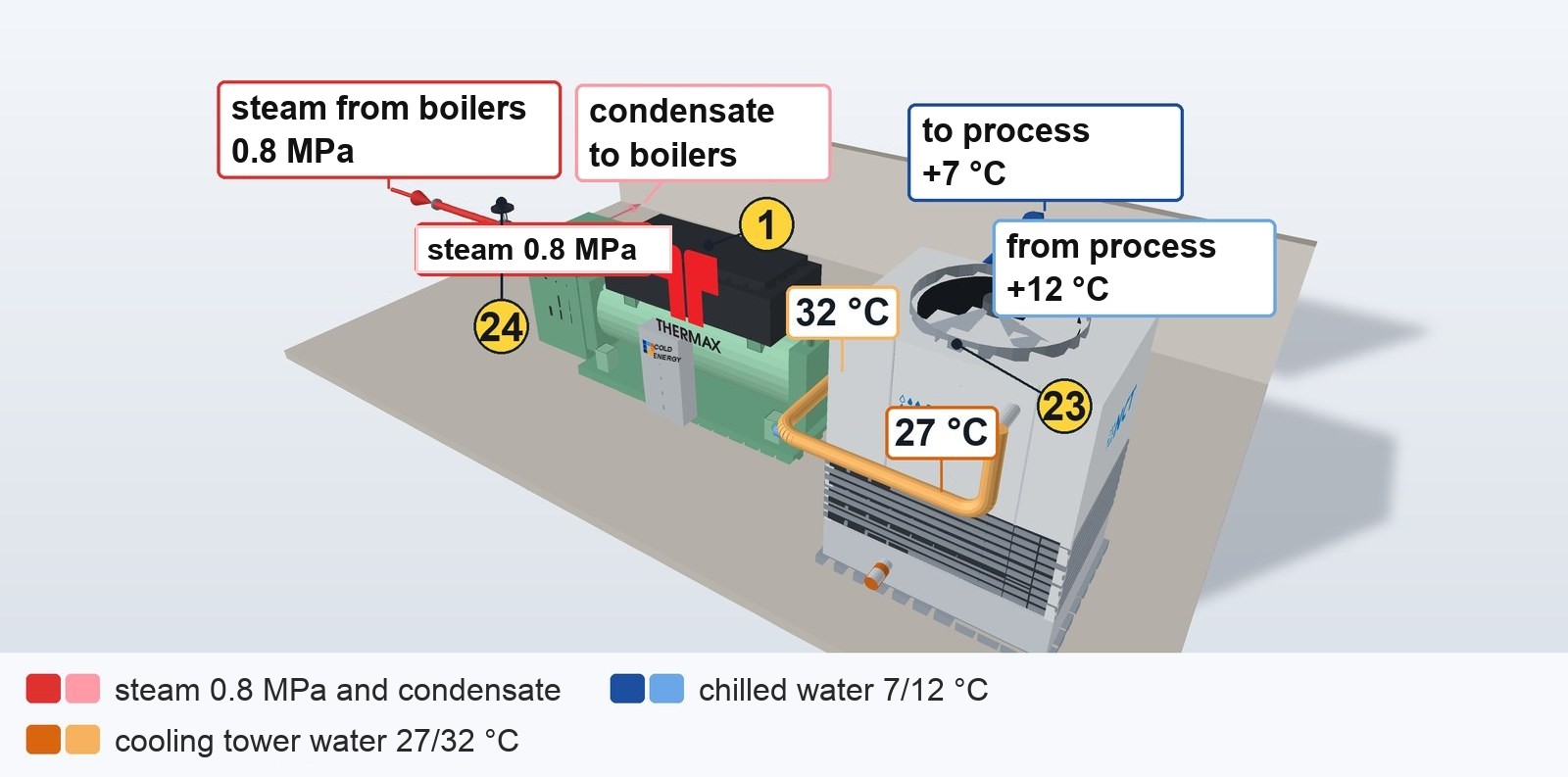
Steam heats the machine's generator, chilled water goes to the process, and the heat of absorption goes to the cooling tower.
Key to the numbers on the diagram
| No. | Component | Purpose |
|---|---|---|
| 1 | Thermax steam-fired absorption chiller | steam heats the solution, and the machine delivers chilled water without a compressor |
| 23 | NCT cooling tower | rejects the heat of absorption: there is more of it than from a compressor machine of the same capacity |
| 24 | Steam control valve | meters the steam according to the load: the machine holds +7 °C at the outlet |
Open recirculating cooling cycle
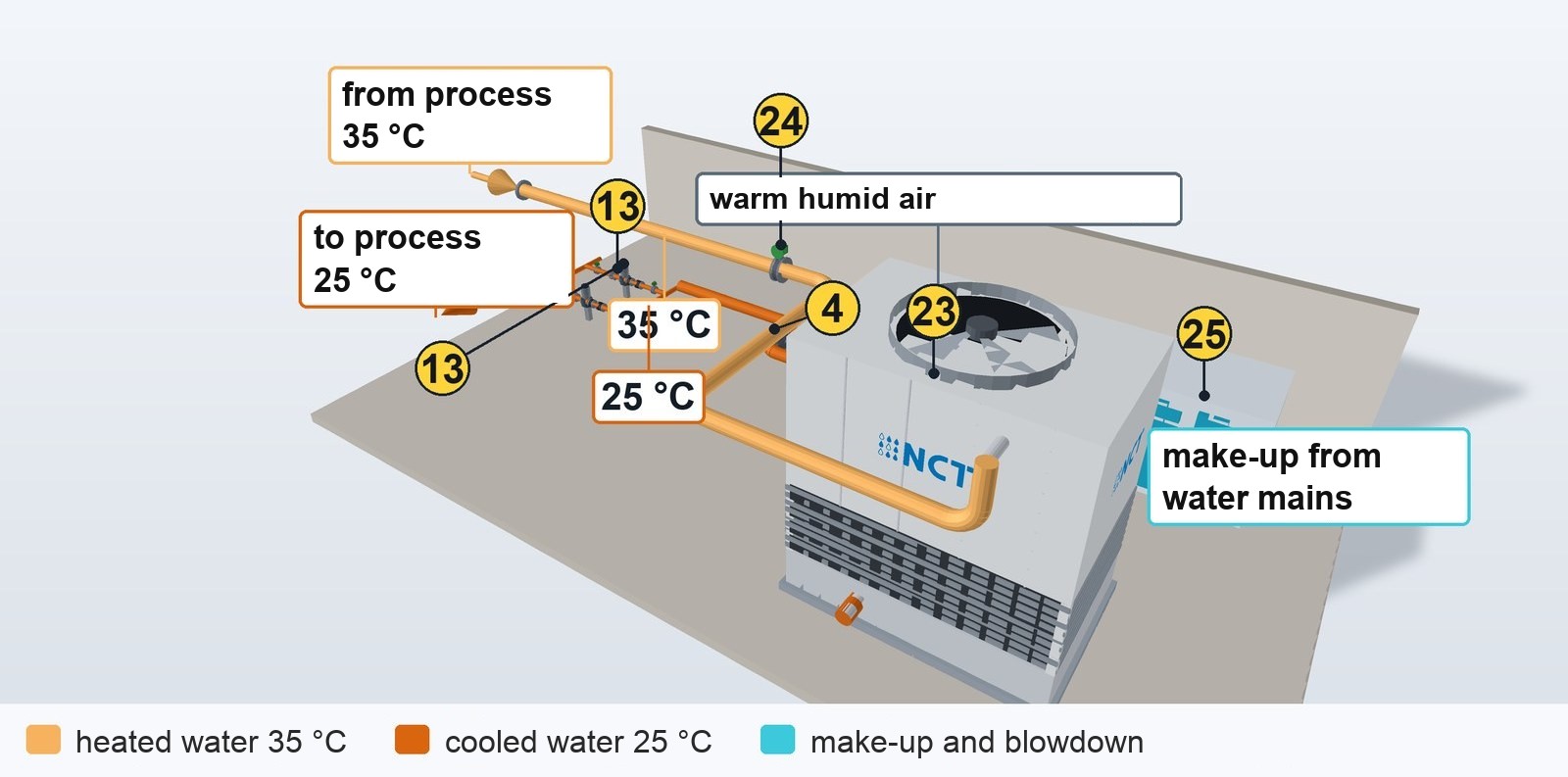
Heated water from the process is cooled in the cooling tower by evaporation and returns to the process; water is consumed only for make-up and blowdown.
Key to the numbers on the diagram
| No. | Component | Purpose |
|---|---|---|
| 3 | Butterfly valve | isolates the machine and pumps for repair and flushing; installed in pairs, inlet and outlet |
| 4 | Y-strainer | catches scale and debris before the unit's tubes; on the INLET only |
| 5 | Flexible connector (vibration isolator) | right at the nozzle: damps vibration, does not transfer the pipe's weight and misalignment to the nozzle |
| 13 | In-line pump | circulates water through the circuit; in a pair, duty + standby |
| 14 | Check valve | prevents water from flowing back through the idle pump |
| 23 | NCT open cooling tower | the water gives off heat to the air by evaporation: the cheapest way to reject megawatts |
| 24 | Butterfly valve on the supply line | isolates the cooling tower for repair without stopping the other cells |
| 25 | Water treatment and automatic blowdown | reverse osmosis or chemical dosing: without it, scale eats up the heat transfer, and blowdown is done blindly |
Frequently asked questions
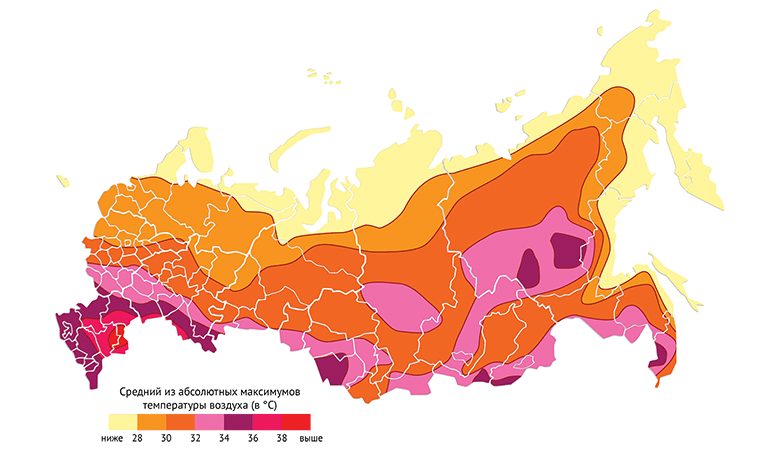
It is hot for only two or three months, when it is above 25 °C outside. Will cooling the air in front of the turbine pay back in this mode?
If you count only the electricity savings, most likely not. The usual guideline for an absorption chiller is that cooling is needed for 3,000–4,000 hours a year or more, and three months is about 2,200 hours. Here you need to count something else: what the power not delivered on peak days costs, and the extra gas. If the plant is up against its supply obligations at that time, the answer may be different. Start with the monthly generation schedule.
How do you lower the intake temperature of a gas engine?
Feed chilled water from an absorption chiller or a chiller to a heat exchanger at the intake. But first find out what limits the engine: the intake air or its cooling circuit. If the dry coolers cannot cope in summer, the intake will not help: a dry unit delivers fluid noticeably warmer than the outdoor air, and then you need a second dry cooler, adiabatic cooling or a combination with a cooling tower.
What waste and emissions does an exhaust-gas absorption chiller with a thermal capacity of 5,000 kW produce?
Such a machine has no emissions of its own: it burns no fuel and only takes heat from the gases. The lithium bromide solution is charged for the entire service life and is not drained. There is one constant discharge: the cooling tower blowdown, which goes to the sewer under the network owner's conditions. A backup burner, if there is one, is calculated separately. The calculation itself is done by the designer in the environmental section; we provide the input data.
The turbine is shut down, but cooling is still needed. Can you install an exhaust-gas machine with a backup burner?
Yes, the factory selects such a machine with a backup burner option for the site's data. But for the air in front of the turbine it is unnecessary: if the turbine is not running, there is no need for cooling either. A burner is justified if the cooling also goes to the workshops. Check the gas path: on shutdown or power loss, the diverter damper must switch to bypass, and the pressure drop must not exceed the allowable back pressure.
We will calculate the system for your site free of charge: send a request or call +7 (800) 333-49-96.
Let us size a cooling system for your site
An engineer will select the equipment and send you a calculation. Free of charge, no obligation.